Each diamond is the result of an amazing natural journey which has turned an ancient element into the world's most precious and mystical gem. Diamonds were pure carbon crystallised at high temperatures and pressures, 100 miles beneath the earth's crust. There they remained, keeping their precious secrets, until powerful forces carried them upward within volcanic molten lava, only to be concealed again by falling ash and rock.
Over millions of years, the wrath of nature in the form of winds, water, heat and cold would rework the landscape time and time again. Only a small number of diamonds managed to survive this remarkable journey. Of those that did, only a tiny proportion that have been found are of a size and quality that can be cut, polished and set into jewellery. The diamond is a true miracle.
The youngest diamond is 900 million years old. The oldest known diamonds are more than 3 billion years old, which is older than many stars in the sky.
For thousands of years the only source of diamonds known to man was an area close to Hyderabad in south India. Today, the main sources are South Africa, Botswana, Angola, Russia, Canada and Australia.
Celebrations came in 1866 when, at last, a truly significant source of diamonds was discovered in South Africa. A farmer's child was playing with some brightly coloured stones beside a river, one of which was recognised as a diamond. This diamond was appropriately named 'Eureka'.
Despite modern methods, diamonds are still very difficult to find - from the frozen tundra of Siberia and Canada to the parched deserts of Africa, at least enough earth to fill a house must be carefully sifted to find a single diamond.
The word diamond comes from the Greek term 'adamas' which means unconquerable.
The carat is the unit of weight for diamonds. A carat weights 0.20 of a gramme and is divided into 100 points, therefore a three-quarter carat diamond is 75 points, a half carat diamond is 50 points and a quarter carat diamond is 25 points and so on ...
The derivation of the word carat is most interesting - Revolutionary Indian diamond traders in the 17th century used the locally-available carob seed as a comparison when assessing the weight of the rough diamond. The carob seed on one side of the weighing scales and rough diamonds on the other. By a miraculous feat of nature the weight of a single carob seed was always 0.20 gramme. Following this the unit of weight for diamonds was established and the name 'carob' became 'carat'.
The quality and therefore the value of a diamond is evaluated using 4 criteria - carat, clarity, colour and cut.
The weight of a diamond is fixed and precise, and the bigger the stone, the greater the rarity and therefore the higher the price per carat. A one carat diamond is one in a million diamonds.
The other 3 criteria are much more subjective -
Flaws and imperfections within the diamond will reduce the value. The very best is internally flawless.
To the untrained observer most diamonds will appear to have no tint colour, but most are slightly coloured and are evaluated on a scale from pure white to colours of the rainbow. Pure white is rare but fancy colours are extremely rare. The highest price paid per carat at auction for a diamond is US$1 million for a 0.95 carat red diamond.
The cut of a diamond is the final key to setting the value. The finest and most exacting cutting and polishing will maximise the diamond's fire and lustre.
A fancy shape such as a pear shape will also increase the value. The most ever paid for a pear-shaped diamond of 42 carats is US$7.5 million.
Value is very much expressed through rarity - If you were to gather all the diamonds ever polished since the beginning of time, they would only fill one double-decker bus.
The magic and mystery of diamonds has fascinated and intrigued mankind for centuries.
No tool could cut them and no fire could burn them which led many to believe that diamonds had unique supernatural powers.
To the Greeks they were the tears of the God, while Romans believed they were shards from the stars. For the Indians they were good-luck charms warding off illness, thieves and forces of evil. To others they were stones that would heal and bestow knowledge.
Diamonds became eagerly sought after by the world's most wealthy and powerful people. In fact it was a common belief among Kings that wearing a diamond into battle would magically protect the wearer. It was not uncommon to see royal armouries glittering with diamond-embellished weapons.
The custom of wearing a diamond on the fourth finger of the left hand comes from the ancient Egyptians, who believed that the vena amoris (vein of love) runs directly from this finger to the heart.
The romantic tradition of giving a diamond ring as a token of love and commitment began in the 15th century when Archduke Maximilian of Austria gave Mary of Burgundy a diamond ring on their engagement.
Today this tradition continues with passion and absolute importance. Every year throughout the world there are now hundreds of thousands of diamond engagement and anniversary rings gifted with love.
It is now a unique symbol of commitment, woven into our way of life.
No other gem expresses human emotion more powerfully than a diamond. Earth-grown, rare, precious, magical and indestructible. These essential qualities have made diamonds the perfect symbol for true love and romance.
Perhaps the most publicised diamond gifts in modern times have been diamond jewels given by Richard Burton to Elizabeth Taylor. These include a 33 carat brilliant cut diamond worth over US$10 million and a pear-shaped 69 carat Taylor-Burton diamond.
More recently, producer-director Bruce Paltrow demonstrated his love for, and pride in, daughter Gwyneth when, after winning the Best Actress award at the 1999 Oscars, he bought her the stunning 40 carat diamond necklace she had borrowed to wear to the ceremony.
All diamonds are mystical, magical, symbolic and brilliant. The most popular choice, by far, is the round brilliant.
But the shape that you do choose is a true reflection of you. Here is a guide to what your diamond choice says about you.
| The round brilliant diamond | understated and classic |
| The oval diamond | influenced by opinion |
| The marquise diamond | adventurous |
| The heart diamond | real romantic |
| The emerald-cut diamond | loves vintage |
| The pear diamond | creative |
| The princess | trendy and fashion-conscious |
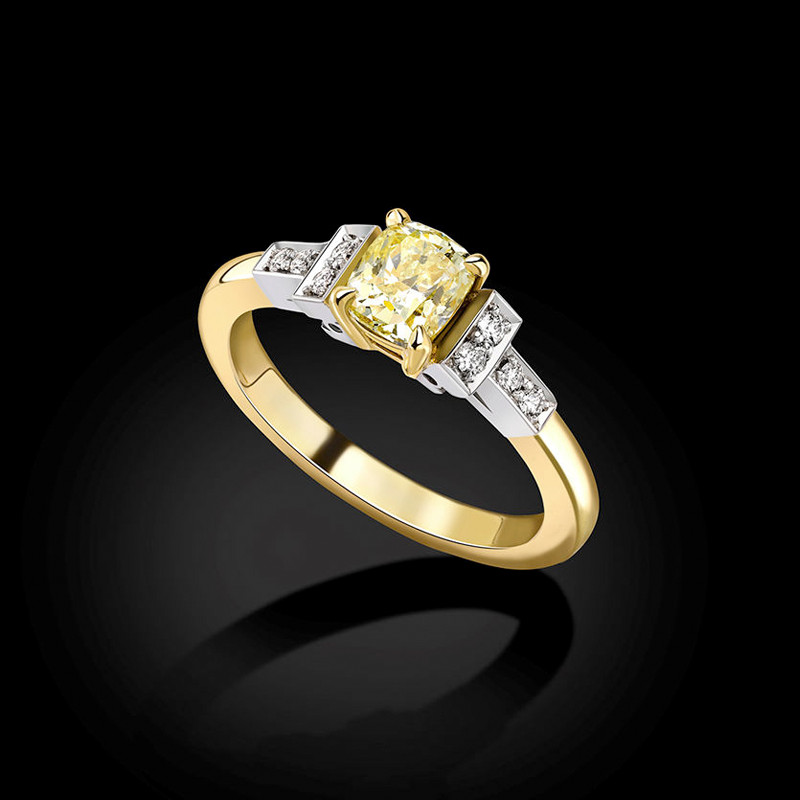
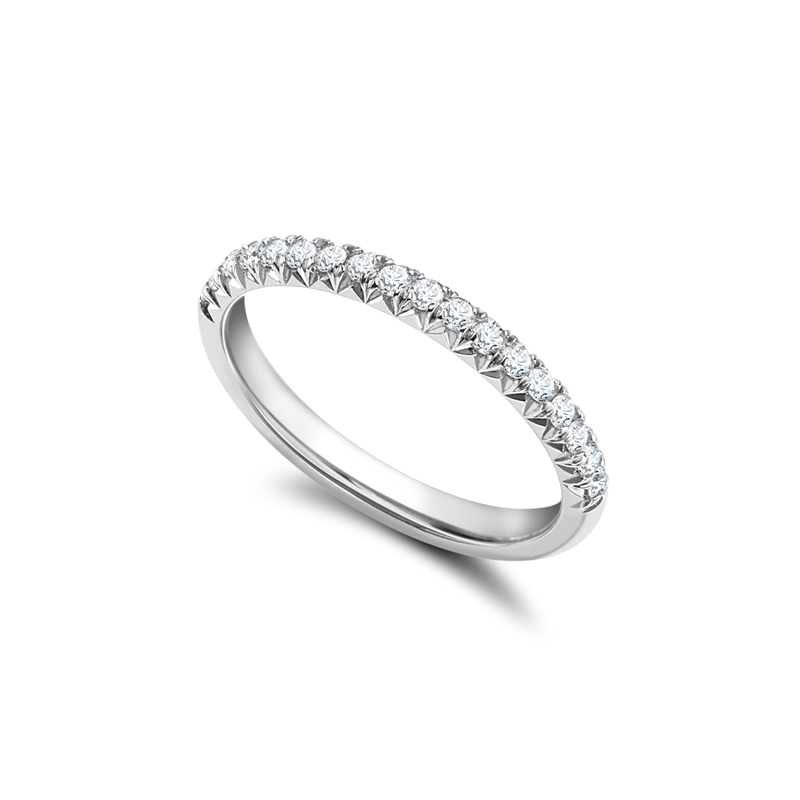
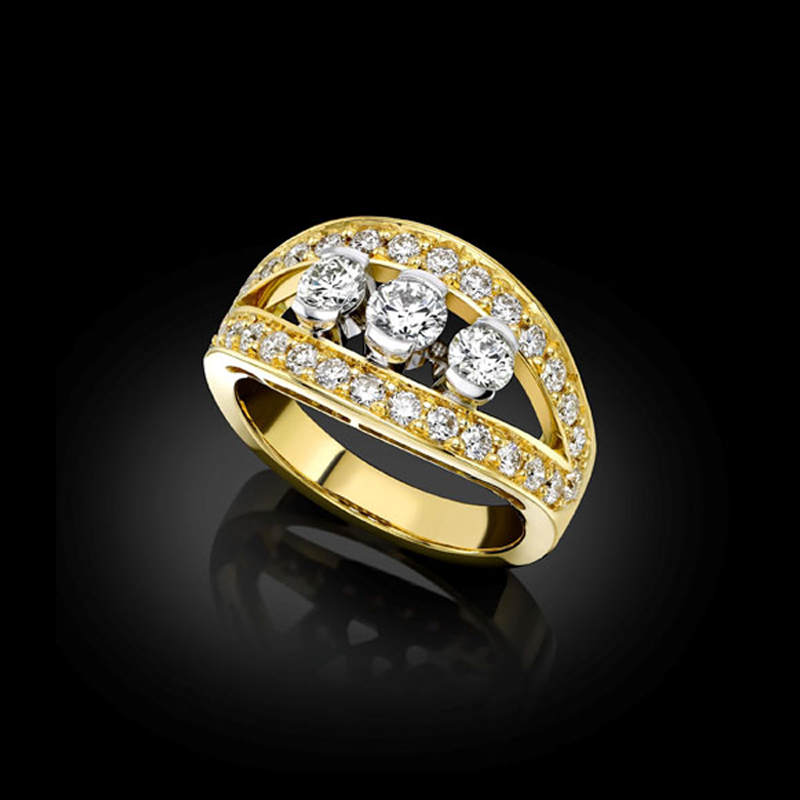
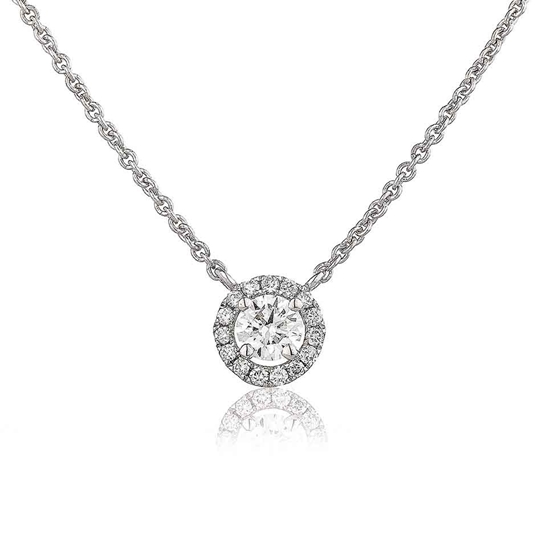
After you have decided the shape you need to decide what style of jewellery design you are looking for. Surf the web, do some window shopping, do some celebrity spotting.
Identify some looks that you like and then go to a reputable jeweller to discuss your ideas. Icecool Diamonds have been around for a long time, have a special reputation and are committed to make your dream come true.
Finally, it helps if you have some basic knowledge of what makes up the value of a diamond.
The quality and therefore the value of every diamond is evaluated using 4 criteria - carat, clarity, colour and cut.
The weight of the diamond is fixed and precise, and the bigger the stone, the greater the rarity and therefore the higher the price per carat. The other 3 criteria are much more subjective. Flaws and imperfections within the diamond will reduce the value. The very best are internally flawless.
To the untrained observer most diamonds will appear to have no tint colour, but most are slightly coloured and are evaluated on a scale from pure white to colours of the rainbow. Pure white is rare but fancy colours are extremely rare. The highest price paid per carat at auction for a diamond is US$1 million for a 0.95 carat red diamond.
The cut of a diamond is the final key to setting the value. The finest and most exacting cutting and polishing will maximise the diamond's fire and lustre.
Value is very much expressed through rarity - If you were to gather all the diamonds ever polished since the beginning of time, they would only fill one double-decker bus. Come to find your special, individual and rare dream at Icecool Diamonds.
See our Diamond Guide for more information on Diamonds »